

When temperatures drop in Reading, Pennsylvania, the last thing you want is to discover that your heating system has stopped working. Whether you're waking up to a chilly house or noticing that your vents are blowing cold air, a furnace not heating properly can quickly become a frustrating situation, especially during the coldest months of the year.
Fortunately, not every heating problem requires a major repair. Sometimes, the issue is as simple as an incorrect thermostat setting, a clogged air filter, or a tripped circuit breaker. Other times, the problem involves internal components that require professional attention.
Understanding what to check first can help you identify minor issues, recognize potential safety concerns, and determine when it's time to contact an HVAC professional. At Comforting Solutions, helping Reading-area homeowners maintain reliable heating systems is an important part of keeping homes comfortable throughout Pennsylvania's winter season.
Why Your Furnace May Stop Heating
Residential furnaces contain several components that must work together to produce and distribute warm air. When one component malfunctions, the entire heating process can be affected.
Common causes of a furnace not heating include thermostat problems, restricted airflow, electrical failures, ignition issues, and malfunctioning safety controls. Older systems may also experience problems related to worn components or years of regular use.
During Pennsylvania winters, heating systems often run for extended periods to maintain comfortable indoor temperatures. This increased demand can expose existing mechanical problems that were less noticeable during milder weather.
While homeowners can safely check certain basic settings and maintenance items, internal mechanical and electrical repairs should always be handled by qualified professionals.
1. Check Your Thermostat Settings
Before assuming your furnace needs repairs, start with the thermostat. It may seem obvious, but incorrect settings are a common reason heating systems fail to operate as expected.
First, make sure the thermostat is set to "Heat" rather than "Cool" or "Off." Next, adjust the temperature several degrees above the current room temperature to see whether the system responds.
If you have a programmable thermostat, review its schedule. Some thermostats automatically lower temperatures during certain hours, which can make it seem like the furnace isn't working.
Battery-powered thermostats may also stop communicating with the heating system when their batteries become weak.
If your furnace not heating issue continues after confirming the thermostat settings, the problem may involve another component.
Smart thermostat users should also check for error messages or connection problems. However, avoid changing unfamiliar wiring or electrical settings without professional assistance.
2. Inspect Your Furnace Air Filter
A dirty air filter is another common cause of heating problems.
Your furnace filter collects dust, pet dander, pollen, and other airborne particles as air circulates through your home's heating system. Over time, these particles accumulate and restrict airflow.
When airflow becomes severely restricted, the furnace may overheat and activate a safety limit that interrupts heating. This can cause the system to shut down unexpectedly or struggle to maintain comfortable temperatures.
If your filter is safely accessible, remove it according to the manufacturer's instructions and inspect its condition. If it appears clogged or heavily coated with dust, replace it with the appropriate filter for your system.
Homeowners should check filters regularly, particularly during winter when heating equipment operates more frequently.
Although replacing a dirty filter may resolve some airflow problems, a furnace not heating after a filter change may indicate a more significant issue requiring professional diagnosis.
3. Check Your Circuit Breaker and Power Supply
Even gas-powered furnaces rely on electricity to operate important components such as blower motors, ignition systems, and electronic controls.
If your heating system suddenly stops responding, check your home's electrical panel for a tripped circuit breaker.
If the breaker has tripped and there are no signs of electrical damage, smoke, or burning odors, you may reset it once according to the panel manufacturer's instructions. If it trips again, leave it off and contact a qualified professional.
Some furnaces also have a nearby service switch that resembles a standard light switch. If this switch was accidentally turned off, the furnace may not operate.
Check accessible switches without removing equipment panels or interfering with safety devices.
If the furnace still doesn't start, an electrical or mechanical malfunction may be responsible. Repeatedly resetting breakers or attempting to force equipment to restart can create additional safety concerns.
4. Make Sure Your Vents Are Clear
Proper airflow is essential for maintaining consistent indoor temperatures.
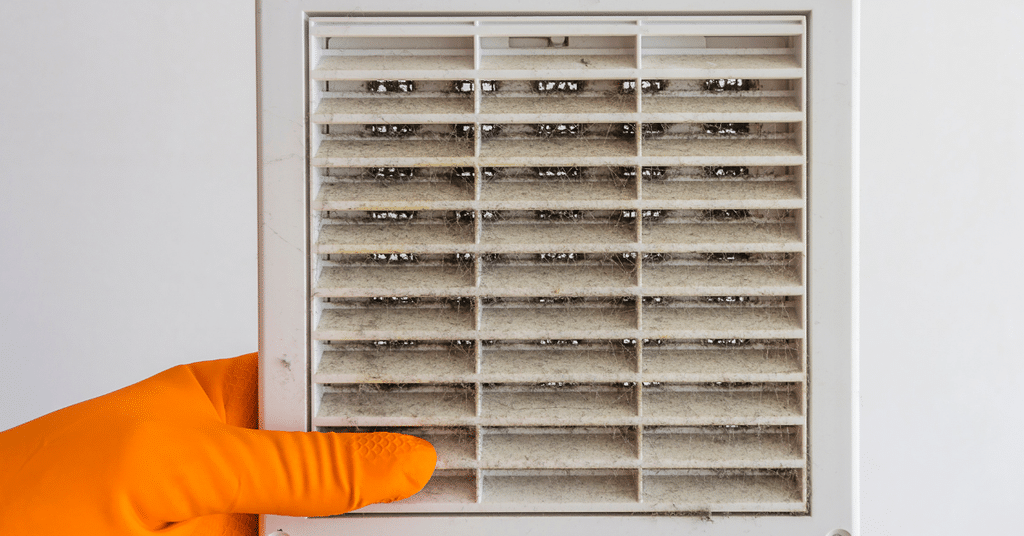
Supply vents deliver heated air into your living spaces, while return vents allow air to circulate back through the heating system. When these openings become blocked, the furnace may struggle to distribute heat effectively.
Furniture, rugs, curtains, and other household items can unintentionally restrict airflow.
Walk through your home and make sure accessible supply and return vents are unobstructed. Avoid closing multiple vents in an attempt to redirect heat, as this can interfere with the system's intended airflow.
If certain rooms remain significantly colder than others, the issue may involve ductwork, airflow balancing, or heating equipment performance.
A furnace not heating certain rooms evenly does not always mean the furnace itself has failed. A professional inspection can help determine whether the problem involves air distribution or another component.
5. Pay Attention to Unusual Noises
Furnaces naturally produce some noise during startup, operation, and shutdown. However, loud or unfamiliar sounds may indicate developing mechanical problems.
Rattling can sometimes be associated with loose components, while grinding or squealing may suggest blower motor issues. Repeated clicking, buzzing, or banging can indicate other electrical or mechanical concerns.
If your furnace begins making unusual noises, pay attention to when they occur and whether heating performance has changed.
Avoid opening internal compartments or attempting to adjust mechanical components yourself.
When a furnace not heating properly is accompanied by unfamiliar noises, scheduling a professional inspection can help identify the cause before additional components are affected.
6. Determine Whether Your Furnace Is Blowing Cold Air
One particularly confusing heating problem occurs when the furnace appears to be running, but the air coming from the vents feels cold.
Start by checking your thermostat's fan setting. If the fan is set to "On," it may circulate air continuously, even when the furnace is not actively producing heat.
Switching the fan setting to "Auto" allows the blower to operate according to the heating system's normal controls.
If cold air continues, the problem could involve the ignition system, burner operation, safety controls, or another internal component.
Gas furnaces rely on properly functioning ignition and combustion components to produce heat. When these systems malfunction, the furnace may stop heating as a protective measure.
A furnace not heating despite the blower operating should be inspected by a qualified HVAC technician rather than repeatedly restarted.
7. Know When to Stop Troubleshooting
While checking thermostat settings, filters, and accessible power controls can be helpful, some heating problems require immediate professional attention.
Homeowners should never attempt to bypass safety switches, modify gas connections, or perform internal electrical repairs.
If you smell natural gas, leave the building immediately. Do not operate electrical switches, use open flames, or attempt to locate the leak. Once safely outside, contact your gas utility's emergency number or emergency services.
Carbon monoxide is another important concern for homes with fuel-burning appliances. Because carbon monoxide is odorless and colorless, functioning carbon monoxide alarms are essential.
If a carbon monoxide alarm sounds, move everyone outside to fresh air and contact emergency services. Do not reenter until the property has been declared safe.
A furnace not heating during freezing temperatures can also create additional concerns, including dangerously cold indoor conditions and the possibility of frozen plumbing.
When basic troubleshooting does not resolve the problem, professional service is the safest next step.
8. Keep Your Reading, PA, Home Warm While Waiting for Repairs
Reading and the surrounding Berks County area can experience freezing temperatures, snow, and extended periods of cold weather throughout winter.
If your furnace stops working, taking steps to reduce heat loss can help keep your household more comfortable while waiting for service.
Close exterior doors and windows securely, and use curtains or blinds to reduce drafts. Wearing additional clothing layers and using blankets can also help conserve body heat.
If you use an electric space heater, follow the manufacturer's instructions, keep it away from combustible materials, and plug it directly into a wall outlet. Never leave it running unattended or while sleeping.
Never use an oven, outdoor grill, camping stove, or portable generator to heat your home. These devices can create serious fire and carbon monoxide hazards.
If indoor temperatures become unsafe, consider staying somewhere with reliable heating until the problem is resolved.
A furnace not heating during a Pennsylvania cold spell should be addressed promptly, particularly when vulnerable household members are present.
9. What to Expect During Professional Furnace Repairs
When a professional HVAC technician arrives, they will typically begin by discussing the symptoms you've noticed from your furnace not heating.
You may be asked when the heating problem started, whether the system makes unusual noises, and whether it stopped working suddenly or gradually.
The technician will then inspect relevant components to identify the underlying issue.
Depending on the symptoms, this may include checking the thermostat, ignition system, blower motor, electrical connections, airflow, and safety controls.
Some problems can be resolved by replacing a malfunctioning component, while others may require more extensive repairs.
Professional service helps ensure that the actual cause is addressed rather than temporarily restarting equipment that may continue malfunctioning.
For homeowners experiencing a furnace not heating consistently, an accurate diagnosis can also help determine whether repair or replacement is the more practical long-term option.
10. How to Prevent Future Heating Problems
Although unexpected breakdowns cannot always be prevented, routine furnace maintenance can reduce the likelihood of heating interruptions.
Professional maintenance allows technicians to inspect important components, evaluate system operation, and identify developing problems before they become more serious.
Homeowners can also support reliable heating performance by replacing air filters regularly, keeping vents unobstructed, and monitoring unusual changes in system behavior.
Pay attention to longer heating cycles, inconsistent temperatures, unexpected noises, or unexplained increases in utility bills.
Scheduling a heating inspection before winter can be particularly beneficial for Reading-area homeowners because it provides an opportunity to address potential concerns before temperatures drop significantly.
Regular maintenance may also help extend equipment life and maintain efficient operation.
Taking a proactive approach can reduce the chances of experiencing a furnace not heating when your household needs warmth the most.
When Should You Consider Furnace Replacement?
Not every heating problem means your furnace needs to be replaced.
Many issues can be resolved through professional maintenance or targeted repairs, particularly when the equipment is relatively new and otherwise operating reliably.
However, replacement may be worth considering if an older furnace requires frequent service, experiences major component failures, or struggles to maintain comfortable temperatures.
Homeowners should evaluate equipment age, repair history, efficiency, and expected remaining service life before making a decision.
An experienced HVAC professional can help compare the costs and benefits of repairing existing equipment versus installing a newer heating system.
The goal is to choose an option that supports reliable comfort while making financial sense for your household.
Stay Warm With Help From Comforting Solutions
When your heating system stops working, knowing what to check can make the situation easier to manage. Simple troubleshooting steps such as reviewing thermostat settings, inspecting air filters, and checking accessible power controls may help identify minor problems.
However, unusual noises, repeated shutdowns, electrical concerns, and continued heating failures should be evaluated by a professional.
If you're dealing with a furnace not heating properly, Comforting Solutions can help identify the problem and recommend appropriate heating solutions for your home.
Whether you need furnace repairs, preventive maintenance, or guidance about replacing aging equipment, professional HVAC service can help keep your home comfortable throughout the winter.
Stay up to date with the latest at Comforting Solutions by liking us on Facebook.