
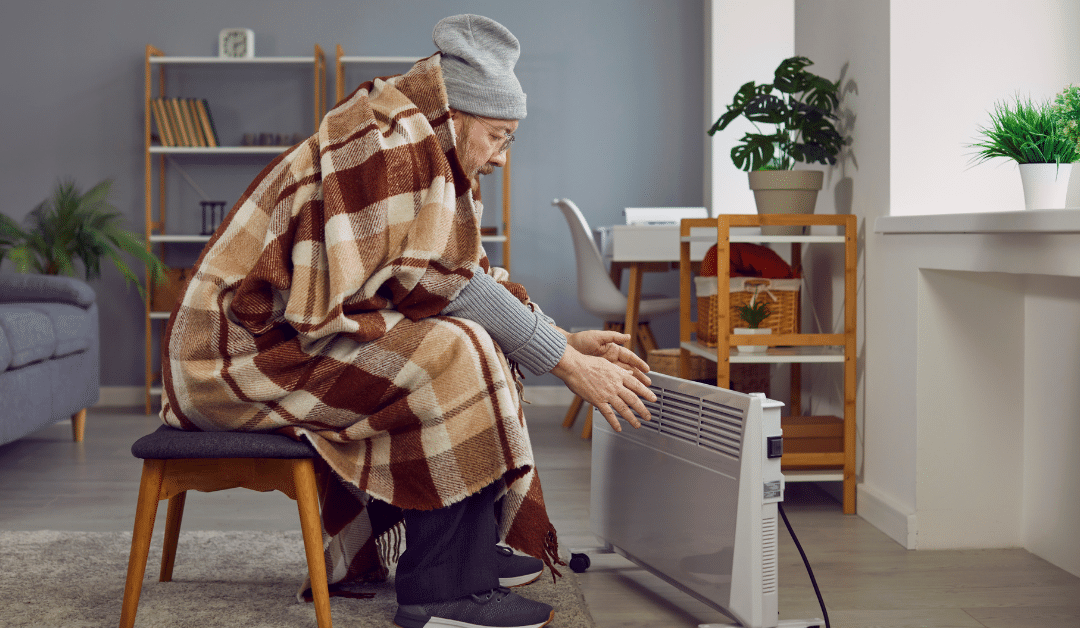
Few things are more frustrating than waking up on a freezing winter morning and realizing your heating system has stopped working. Whether your furnace is blowing cold air, making unusual noises, or refusing to turn on, losing heat during cold weather can quickly become stressful. Knowing what to check and when to schedule furnace repair can help you respond appropriately and restore comfort to your home.
Furnaces can stop working for several reasons, including thermostat problems, dirty air filters, electrical issues, and worn mechanical components. While some problems have simple solutions, others require professional attention.
1. Start by Checking Your Thermostat
Before assuming your furnace has experienced a major breakdown, check your thermostat settings.
Make sure the thermostat is set to "Heat" and that the selected temperature is higher than the current indoor temperature. If the thermostat was accidentally switched off or set to cooling mode, the furnace may not receive the signal to begin heating.
Programmable thermostats can also cause confusion when scheduled temperature changes occur unexpectedly. Review the settings to ensure they match your household's needs.
If your thermostat uses batteries, replacing weak batteries may resolve the problem. Smart thermostats should also be checked for connection or configuration issues.
If the thermostat appears to be functioning correctly but the heating system still does not respond, additional troubleshooting or professional furnace repair may be necessary.
2. Inspect Your Furnace Air Filter
A dirty air filter is one of the most common problems affecting residential heating systems.
Air filters collect dust, pet dander, pollen, and other airborne particles as air circulates through your HVAC system. Over time, these particles can restrict airflow and make it difficult for your furnace to operate efficiently.
When airflow becomes severely restricted, the furnace may overheat and activate a safety switch that temporarily shuts down heating.
If your filter is safely accessible, inspect it for visible dirt and debris. Replace it with the appropriate filter recommended for your equipment if necessary.
Regular filter replacement supports proper airflow, reduces unnecessary strain on heating components, and can help prevent avoidable furnace repair appointments.
However, if the furnace continues shutting down after replacing the filter, a qualified technician should inspect the system.
3. Check the Power Supply and Circuit Breaker
Even gas furnaces require electricity to operate components such as blower motors, ignition systems, and electronic controls.
If your furnace suddenly stops responding, check your home's electrical panel for a tripped breaker.
A breaker that has tripped may indicate an electrical problem affecting the heating system. If there are no signs of electrical damage, smoke, or burning odors, you may reset the breaker once according to the panel manufacturer's instructions.
If it trips again, do not continue resetting it. Repeated electrical failures can indicate a problem that requires professional attention.
Some furnaces also have a nearby service switch that resembles a standard light switch. If this switch was accidentally turned off, the system may stop operating.
Check accessible switches without removing equipment panels or bypassing safety devices.
If the furnace has power but still refuses to start, professional furnace repair can help determine whether an electrical or mechanical component has failed.
4. Make Sure Your Vents Are Not Blocked
Your furnace depends on proper airflow to distribute warm air throughout your home.
Supply vents deliver heated air into living spaces, while return vents allow air to circulate back through the system.
Furniture, rugs, curtains, and other household items can accidentally block these openings.
Restricted airflow may contribute to uneven heating, reduced efficiency, and unnecessary equipment strain.
Walk through your home and make sure accessible supply and return vents are clear.
If certain rooms remain cold despite unobstructed vents, the problem could involve ductwork, airflow balancing, or heating equipment performance.
A professional inspection can help identify the cause of inconsistent temperatures.
5. Pay Attention to Strange Noises or Cold Air
Furnaces normally make some noise when starting and operating. However, loud banging, grinding, rattling, or squealing sounds may indicate a mechanical problem.
Rattling can sometimes be associated with loose components, while grinding or squealing may suggest blower motor concerns.
If your furnace produces unfamiliar noises, avoid ignoring them simply because the system continues heating.
Another common warning sign is a furnace that runs but blows cold air.
This can happen when the thermostat fan is set to "On" instead of "Auto," causing the blower to circulate air even when the furnace is not actively heating.
For gas furnaces, ignition problems, malfunctioning controls, or safety shutdowns may also prevent heat production.
If adjusting the thermostat does not resolve the problem, furnace repair may be necessary to identify the underlying issue.
6. Know When a Heating Problem Is an Emergency
Not every furnace malfunction requires emergency service, but certain situations should be addressed immediately.
A complete loss of heat during freezing weather can create unsafe indoor conditions, particularly for young children, older adults, and individuals who are sensitive to cold temperatures.
Other warning signs include electrical burning odors, smoke, repeated breaker trips, or suspected gas and combustion problems.
If you smell natural gas, leave the building immediately. Do not operate electrical switches, use open flames, or attempt to investigate the source. Once outside, contact your gas utility's emergency number or emergency services.
Carbon monoxide is another serious concern. Because it is odorless and colorless, homes with fuel-burning appliances should have functioning carbon monoxide alarms.
If an alarm sounds, move everyone outside to fresh air and contact emergency services. Do not reenter until the building has been declared safe.
When a heating system fails during extremely cold weather, prompt furnace repair may also help reduce the risk of frozen pipes and other cold-weather damage.
Safety should always come before attempting to restore heat.
7. Keep Your Home Warm While Waiting for Service
If your furnace stops working, there are several ways to reduce heat loss while waiting for professional assistance.
Close exterior doors and windows securely, and keep curtains or blinds closed to help reduce drafts.
Wear additional clothing layers and use blankets to stay comfortable.
If you use an electric space heater, follow the manufacturer's instructions, keep it away from combustible materials, and plug it directly into a wall outlet. Never leave it operating unattended or while sleeping.
Never use an oven, outdoor grill, camping stove, or portable generator to heat your home. These devices can create serious fire and carbon monoxide hazards.
If indoor temperatures become dangerously cold, consider staying somewhere with reliable heating until service is completed.
Taking these precautions can help keep your household safer while waiting for furnace repair.
8. Understand What Happens During Professional Service
When a technician arrives to inspect your furnace, they will typically begin by discussing the symptoms you have experienced.
You may be asked when the problem started, whether the furnace has been making unusual noises, and whether it stopped working suddenly or gradually.
The technician will then evaluate relevant components to identify the cause.
Depending on the problem, the inspection may include the thermostat, ignition system, blower motor, electrical connections, safety controls, and airflow.
Common furnace problems can involve worn blower components, malfunctioning ignition equipment, damaged electrical parts, or faulty sensors.
Once the issue has been identified, the technician can explain the findings and recommend appropriate repairs.
Professional furnace repair focuses on correcting the underlying problem rather than simply restarting equipment that may continue malfunctioning.
9. Prevent Future Furnace Breakdowns
Although unexpected heating problems cannot always be prevented, regular maintenance can reduce the likelihood of inconvenient breakdowns.
Professional furnace maintenance allows technicians to inspect important components, identify developing problems, and verify that the system is operating properly.
Homeowners can also support heating performance by replacing air filters regularly, keeping vents unobstructed, and paying attention to changes in equipment behavior.
Unusual noises, longer heating cycles, inconsistent temperatures, and unexplained increases in energy bills should not be ignored.
Addressing smaller problems early may help prevent additional equipment damage and reduce the need for more extensive furnace repair later.
Scheduling a heating system inspection before winter is especially helpful because it allows potential concerns to be addressed before temperatures drop significantly.
10. Know When Furnace Replacement Makes More Sense
Not every furnace problem requires a new heating system.
Many issues can be resolved through maintenance or targeted repairs, particularly when the equipment is relatively new and has otherwise performed reliably.
However, replacement may be worth considering if an older furnace requires frequent service, experiences major component failures, or struggles to maintain comfortable indoor temperatures.
Homeowners should consider the age of the equipment, repair history, energy efficiency, and expected remaining service life.
An HVAC professional can help compare the cost of continued repairs with the potential benefits of installing newer equipment.
Choosing between furnace repair and replacement should depend on the overall condition of the system rather than age alone.
How Long Can You Wait to Fix a Furnace Problem?
When your heating system starts acting up, you may wonder whether the problem needs immediate attention or if it can wait a few days. The answer depends on the symptoms, outdoor temperatures, and whether your furnace is still operating safely.
Minor concerns, such as a thermostat that needs new batteries or a dirty air filter, may be resolved quickly without professional assistance. However, problems involving electrical components, ignition systems, or repeated shutdowns should be evaluated by a qualified HVAC technician.
Even if your furnace continues producing heat, unusual behavior can indicate that a component is beginning to fail. Addressing these concerns early may prevent more extensive damage and help avoid an unexpected breakdown during freezing weather.
Why Delaying Heating Repairs Can Be Costly
A furnace that struggles to maintain comfortable temperatures may need to operate longer than usual. Depending on the underlying problem, this can increase energy consumption and place additional strain on heating components.
For example, restricted airflow can cause overheating, while a malfunctioning blower motor may interfere with proper heat distribution. If these problems continue, other components may experience unnecessary wear.
Delaying service can also make it more difficult to identify when a small problem becomes a larger mechanical issue.
Although not every unusual sound or performance change indicates a major failure, having the system inspected can help homeowners make informed decisions about necessary repairs.
What Information Should You Give Your HVAC Technician?
When scheduling service, providing detailed information about your heating problem can help the technician prepare for the appointment.
Try to describe when the issue began, whether the furnace is producing any heat, and if you have noticed unusual sounds or odors.
It can also be helpful to mention whether the problem occurs constantly or intermittently. For example, a furnace that shuts off after running for several minutes may have a different issue than one that never starts.
If possible, locate the furnace's manufacturer, model number, and approximate age. This information can help the HVAC company better understand the equipment being serviced.
You should also mention any recent maintenance, repairs, or thermostat changes that occurred before the problem developed.
The more information you can provide, the easier it may be for your technician to narrow down potential causes and determine the next steps.
Taking heating problems seriously, communicating symptoms clearly, and scheduling service when needed can help keep your home comfortable and your equipment operating reliably throughout winter.
Stay Warm This Winter With Comforting Solutions
Losing heat during winter can be frustrating, but understanding what to check can make the situation easier to manage.
Start with simple troubleshooting steps such as checking your thermostat, inspecting your air filter, and verifying that your furnace has power. Pay attention to unusual noises, cold airflow, and repeated shutdowns that may indicate a more serious problem.
When basic troubleshooting does not restore heat, professional furnace repair can help identify the cause and determine the appropriate solution.
Comforting Solutions provides heating services to help homeowners maintain reliable equipment and comfortable indoor temperatures throughout the colder months.
If your furnace is not working properly, addressing the issue promptly can help prevent additional problems and restore dependable heating.
Stay up to date with the latest at Comforting Solutions by liking us on Facebook.