
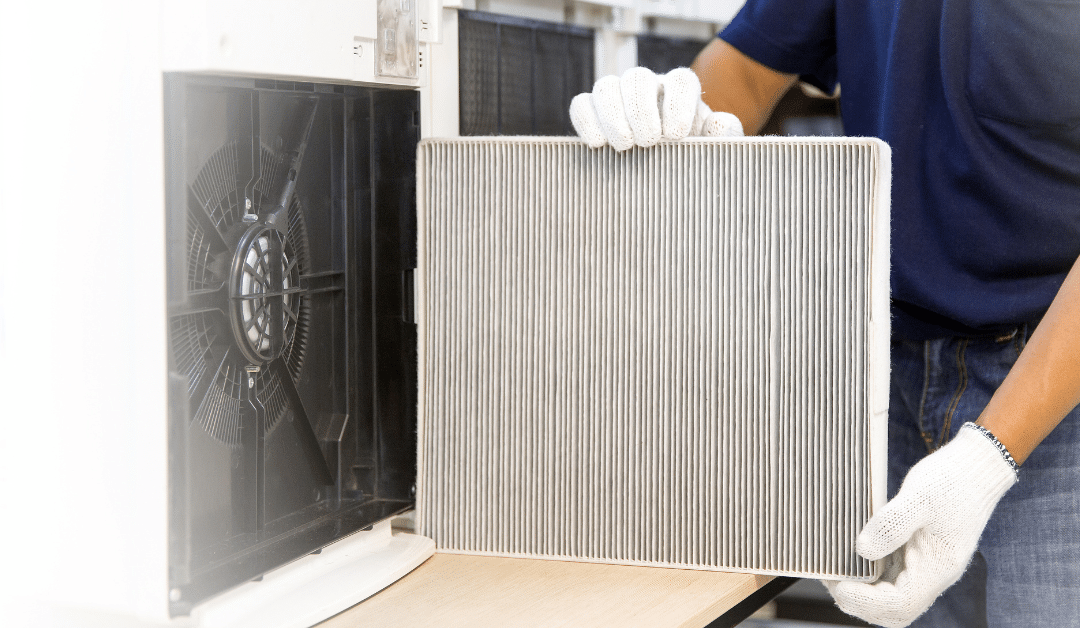
Your HVAC system does much more than heat and cool your home. It also plays an important role in circulating and filtering the air your family breathes every day. One of the simplest yet most important ways to keep your system operating efficiently is by ensuring the air filter is installed correctly and replaced when needed. While many homeowners understand that filters should be changed periodically, fewer realize how much proper HVAC filter installation can affect system performance, indoor air quality, and long-term equipment reliability.
At Comforting Solutions, helping homeowners understand every aspect of HVAC system care is part of providing dependable service. Whether you're replacing a standard filter or upgrading to a higher-efficiency option, understanding the basics of HVAC filter installation helps you make informed decisions that benefit both your home and your HVAC equipment.
Why Air Filters Matter
Every time your heating or cooling system operates, air passes through a filter before circulating throughout your home. The filter captures dust, pollen, pet dander, lint, and other airborne particles that would otherwise enter your HVAC equipment and living spaces.
Without a properly functioning filter, these contaminants can accumulate on important system components, reducing efficiency and increasing wear over time. Correct HVAC filter installation ensures the filter performs as intended while protecting sensitive HVAC components from unnecessary buildup.
How HVAC Filters Protect Your System
Many homeowners think air filters exist only to improve indoor air quality. While that is certainly one of their primary functions, filters also protect the HVAC system itself.
Dust and debris can quickly accumulate on evaporator coils, blower motors, and other internal components. As these parts become dirty, airflow decreases, and the system must work harder to maintain comfortable temperatures.
Proper HVAC filter installation allows the filter to capture contaminants before they reach these critical components, helping maintain efficiency while reducing unnecessary strain on the equipment.
Choosing the Right Filter
Not all HVAC filters are the same. Filters vary in thickness, material, efficiency ratings, and intended applications. Selecting the appropriate filter depends on several factors, including the type of HVAC system, household size, indoor air quality goals, and manufacturer recommendations.
Some filters are designed primarily to capture larger dust particles, while others are capable of trapping much smaller airborne contaminants. A professional can help homeowners determine which filter best matches both their HVAC system and their comfort needs.
Installing an incorrect filter may reduce airflow or fail to provide adequate filtration, making proper selection an important part of HVAC system maintenance.
Understanding MERV Ratings
One of the most common ways to compare HVAC filters is through their MERV rating, which stands for Minimum Efficiency Reporting Value.
Higher MERV ratings generally indicate greater filtration efficiency. However, higher isn't always better for every HVAC system. Some residential systems are not designed to accommodate filters with extremely high resistance.
Choosing a filter with an appropriate MERV rating allows the system to maintain proper airflow while still providing effective filtration. During HVAC filter installation, technicians can recommend a filter that balances both performance and system efficiency.
Why Proper Installation Matters
Even the highest-quality filter cannot perform properly if it is installed incorrectly. Air filters are designed to allow airflow in a specific direction. Installing the filter backward reduces its effectiveness and may negatively impact system performance.
Most filters include arrows indicating the correct airflow direction. During HVAC filter installation, ensuring the filter is positioned correctly helps maximize filtration while maintaining efficient airflow throughout the system.
A properly seated filter also prevents air from bypassing the filter, which would allow dust and debris to circulate freely through the HVAC equipment.
How Often Filters Should Be Replaced
Filter replacement schedules vary depending on several household factors. Homes with pets, multiple occupants, or higher levels of airborne dust may require more frequent replacement than homes with fewer contaminants.
Instead of relying solely on a calendar, homeowners should inspect their filters regularly. If the filter appears dirty or clogged, replacing it promptly helps maintain airflow and system performance.
Routine inspections are an important part of HVAC ownership and help ensure the filter continues performing effectively.
Signs Your Filter Needs Attention
Your HVAC system often provides warning signs when the air filter has become too dirty.
Common indicators include:
- Reduced airflow from supply vents
- Rooms taking longer to cool or heat
- Increased dust throughout the home
- Higher energy bills
- Longer HVAC run times
- More frequent cycling
While these symptoms can also indicate other HVAC issues, checking the air filter is one of the easiest troubleshooting steps homeowners can perform before scheduling service.
The Connection Between Filters and Indoor Air Quality
Indoor air quality affects comfort throughout the home. Every day, airborne particles circulate through living spaces, including pollen, dust, pet hair, and other allergens.
A properly functioning filter helps remove many of these particles before they are redistributed throughout the home. Correct HVAC filter installation supports cleaner indoor air while helping reduce the amount of debris circulating through the HVAC system.
Although filters cannot eliminate every airborne contaminant, they remain one of the most important tools for improving indoor air quality.
How Dirty Filters Affect Energy Efficiency
As filters collect debris, airflow gradually becomes restricted. Reduced airflow forces the HVAC system to operate longer in order to maintain thermostat settings.
Longer operating cycles increase energy consumption while placing additional stress on motors, blowers, and compressors.
Replacing dirty filters before they become severely clogged allows the system to operate more efficiently while helping homeowners control monthly utility costs.
Protecting HVAC Components
Heating and cooling equipment contains many expensive components that benefit from clean airflow. Dirty filters allow contaminants to accumulate on coils, blower assemblies, and other internal parts that directly affect system performance.
Routine HVAC filter installation protects these components by reducing dust buildup and helping maintain proper airflow throughout the equipment.
Preventive care often reduces the likelihood of costly repairs while supporting long-term equipment reliability.
Common Mistakes Homeowners Make
Although changing an HVAC filter appears simple, homeowners occasionally make mistakes that affect system performance.
Some of the most common mistakes include:
- Installing the filter backward
- Choosing the wrong filter size
- Waiting too long between replacements
- Using an incorrect MERV rating
- Forgetting to inspect filters regularly
Avoiding these common issues helps maintain efficient operation while protecting your HVAC investment.
Why Professional Guidance Can Help
While many homeowners replace filters themselves, professional HVAC technicians provide valuable insight into proper filter selection, replacement frequency, and overall system performance.
During routine maintenance visits, technicians inspect filters, evaluate airflow, and identify any concerns that may affect heating or cooling performance.
Professional recommendations ensure homeowners choose filters that meet manufacturer specifications while supporting both indoor comfort and equipment efficiency.
HVAC Filters and Seasonal Changes
Your HVAC system experiences different demands throughout the year, making seasonal filter inspections especially important. During the summer, air conditioning systems often run for extended periods, while winter places heavy demands on the heating system. In both cases, filters collect dust and debris more quickly because of the increased airflow through the system.
Checking your filter at the beginning of each season helps ensure your equipment is prepared for heavier workloads. Even if the filter does not appear completely clogged, replacing it before peak heating or cooling seasons can help your system operate more efficiently.
Seasonal inspections are also a great opportunity to verify that the filter is the correct size and remains properly positioned within the system.
Helping Your HVAC System Last Longer
Your HVAC system is one of the largest investments in your home, and homeowners naturally want it to last as long as possible. Routine maintenance, including proper HVAC filter installation, plays an important role in protecting that investment.
When airflow remains unrestricted, motors, fans, compressors, and other major components operate under less stress. Reduced strain allows these parts to perform more efficiently and can contribute to a longer service life for the entire system.
While no maintenance task can eliminate normal wear over time, replacing filters consistently is one of the simplest ways to support long-term system reliability.
The Importance of Routine HVAC Maintenance
Although replacing filters is an essential part of HVAC care, it should be viewed as one piece of a larger maintenance plan. Professional inspections allow technicians to evaluate components that homeowners cannot easily access.
During routine maintenance, technicians inspect electrical connections, refrigerant levels, blower assemblies, coils, condensate drains, thermostats, and overall system performance. Combining these inspections with regular HVAC filter installation provides a comprehensive approach to system care.
Preventive maintenance helps identify developing issues before they become expensive repairs while keeping heating and cooling equipment operating efficiently.
When to Call a Professional
Sometimes replacing a filter alone will not resolve HVAC performance issues. If your system continues experiencing weak airflow, uneven temperatures, excessive dust, or rising utility bills after installing a new filter, additional service may be necessary.
Professional technicians have specialized equipment to evaluate airflow, inspect internal components, and diagnose problems that may not be visible during routine homeowner inspections.
Prompt service helps prevent small concerns from developing into more significant repairs while restoring comfort throughout the home.
Why Homeowners Trust Comforting Solutions
Comforting Solutions is committed to helping homeowners maintain reliable, efficient heating and cooling systems through quality workmanship and dependable service. Whether you need routine maintenance, filter recommendations, repairs, or a complete system evaluation, the team focuses on providing solutions that support long-term comfort and performance.
By helping homeowners understand the importance of proper HVAC filter installation and overall HVAC maintenance, Comforting Solutions works to keep residential systems operating efficiently throughout every season.
Keep Your HVAC System Performing at Its Best
Taking care of your HVAC system does not have to be complicated. Small maintenance tasks performed consistently can make a significant difference in overall performance, energy efficiency, and equipment lifespan.
Understanding the importance of HVAC filter installation helps homeowners improve indoor air quality, maintain proper airflow, and protect valuable HVAC equipment from unnecessary wear. Combined with routine professional maintenance, proper filter care provides one of the easiest and most effective ways to support dependable heating and cooling year-round.
If you have questions about choosing the right filter or would like to schedule professional HVAC maintenance, the experienced team at Comforting Solutions is ready to help.
If you need HVAC filter installation assistance, contact us at Comforting Solutions. Stay up to date with the latest at Comforting Solutions by liking us on Facebook.