
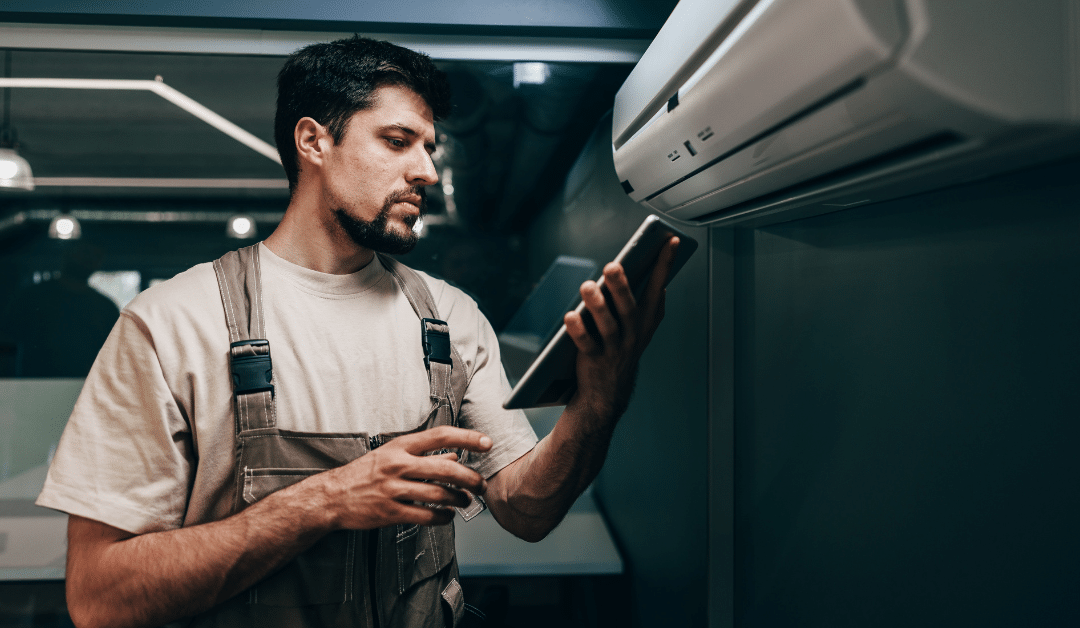
Your heating and cooling system works behind the scenes throughout much of the year to keep your home comfortable. Because so many components must work together for the system to operate properly, routine professional service is an important part of HVAC ownership. But if you have never scheduled maintenance before, you may wonder exactly what an HVAC service technician looks at during an appointment.
A professional service visit involves much more than taking a quick look at the equipment. Technicians evaluate system operation, inspect important components, look for signs of wear, and identify potential problems that could affect comfort or efficiency. The exact process can vary depending on the equipment, season, system condition, and reason for the appointment.
Understanding what happens during a typical visit can help homeowners appreciate the value of preventive HVAC care and know what to expect when an HVAC service technician arrives.
Starting With Your HVAC Concerns
Before inspecting the equipment, an HVAC service technician may ask whether you have noticed any recent changes in system performance. This conversation can provide valuable clues about developing problems.
Perhaps one room has become difficult to heat or cool. Maybe the system has started making an unusual sound, running longer than normal, or cycling more frequently. You might have noticed weaker airflow or an unexpected increase in energy use.
Even small changes are worth mentioning. Providing this information allows the technician to pay particular attention to areas that may be contributing to the problem.
For routine maintenance appointments, this is also an opportunity to discuss questions you have about thermostat settings, filters, seasonal maintenance, indoor comfort, or the general condition of your system.
Checking the Thermostat
The thermostat acts as the control center for your heating and cooling system. If it is not functioning correctly, the HVAC equipment may run at the wrong times, cycle too frequently, or fail to maintain the desired indoor temperature.
During a service visit, the thermostat may be inspected to confirm that it communicates properly with the HVAC system. Settings can also be reviewed to make sure they are appropriate for the season and household needs.
If you use a programmable or smart thermostat, the HVAC service technician may identify settings that could be adjusted to support more efficient operation.
A thermostat problem can sometimes look like a larger equipment failure, which is why checking the controls is an important early step in the inspection process.
Inspecting the Air Filter
The air filter is one of the simplest HVAC components, but it has a major influence on system performance. Filters collect dust, pet hair, pollen, and other particles before they can accumulate inside the equipment.
As a filter becomes clogged, airflow becomes restricted. The HVAC system may need to operate longer to move enough conditioned air throughout the home.
An HVAC service technician can inspect the existing filter and determine whether it should be replaced. The technician can also verify that the filter is the appropriate size and type for your particular system.
Homeowners should continue checking filters between professional appointments because replacement frequency varies based on household conditions, filter type, pets, system use, and other factors.
Evaluating Airflow
Proper airflow is essential for both comfort and efficient HVAC operation. During a service appointment, HVAC service technicians can evaluate whether air is moving properly through the system.
Weak or inconsistent airflow can originate from several sources. A clogged filter, dirty blower assembly, ductwork restriction, closed vent, or equipment problem could all contribute.
Poor airflow can also make certain rooms uncomfortable while forcing the equipment to operate longer than necessary.
Identifying airflow concerns early helps protect system performance and may prevent additional strain on heating and cooling components.
Inspecting Electrical Components
Modern HVAC systems depend on numerous electrical components to start, operate, and shut down correctly. Connections, capacitors, contactors, relays, wiring, motors, and control boards can all experience wear.
During maintenance, an HVAC service technician may inspect accessible electrical components for signs of deterioration, loose connections, overheating, or other concerns.
Electrical problems can cause intermittent operation, unexpected shutdowns, difficulty starting, or complete equipment failure. In some cases, homeowners may first notice unusual clicking, buzzing, or repeated breaker trips.
Because HVAC electrical systems require appropriate training and safety precautions, internal electrical repairs should be left to qualified professionals.
Inspecting Heating Components
During heating-season maintenance, the inspection will focus more closely on components responsible for producing and distributing heat.
The exact inspection depends on the type of heating system installed in the home. For a furnace, this may include examining burners, ignition components, safety controls, electrical connections, and other accessible parts.
An HVAC service technician will look for signs that could interfere with reliable heating or safe operation. Catching these concerns before temperatures drop significantly can reduce the chance of discovering a problem on one of the coldest days of the year.
This is one reason fall maintenance can be especially valuable for homeowners who rely heavily on their heating equipment during winter.
Inspecting the Condensate Drain
Air conditioning systems remove moisture from indoor air as they cool the home. That moisture must drain away properly through the condensate system.
Over time, dirt, algae, or other buildup can restrict the drain line. A clog may cause water to back up around HVAC equipment or trigger a safety switch that shuts down the system.
An HVAC service technician may inspect accessible condensate components during a maintenance appointment to look for drainage concerns.
Addressing a developing blockage can help reduce the risk of leaks, water damage, and unexpected system shutdowns.
Looking for Unusual Noises and Vibrations
HVAC systems naturally produce some sound while operating, but new or unusually loud noises should not be ignored and should be checked by a HVAC service technician.
Rattling may indicate a loose component. Squealing could be associated with certain moving parts. Grinding, buzzing, banging, or repeated clicking can also indicate problems that deserve further investigation.
Technicians listen to the equipment while it operates and look for unusual vibration or noise patterns. These observations can sometimes reveal developing mechanical problems before a component fails completely.
If you hear an unusual sound between maintenance appointments, scheduling an inspection with an HVAC service technician, rather than waiting for the next routine visit, may help prevent additional damage.
Evaluating System Cycling
An efficient HVAC system should operate in appropriate cycles to maintain the thermostat setting. Equipment that starts and stops unusually frequently may be experiencing short cycling.
Several issues can contribute to abnormal cycling, including thermostat problems, airflow restrictions, equipment sizing concerns, or mechanical problems.
A system that runs almost continuously may also indicate a concern. Extremely hot or cold weather naturally increases HVAC run times, but persistent operation under normal conditions may warrant investigation.
By observing system behavior, an HVAC service technician can identify patterns that may indicate a performance issue.
Examining Visible Ductwork
Your duct system distributes conditioned air throughout the house. If ducts leak or become damaged, heated or cooled air may escape before reaching the rooms where it is needed.
When accessible, an HVAC service technician may notice disconnected sections, visible damage, or other ductwork concerns during an inspection.
Duct problems can contribute to uneven temperatures, weak airflow, excess dust, and higher energy use. While routine maintenance may not include a complete duct inspection, obvious problems can be identified and recommendations made for additional evaluation when necessary.
Reviewing Overall System Performance
A service visit is not limited to inspecting individual components. Technicians also consider how the HVAC system operates as a whole.
Heating and cooling equipment depends on proper airflow, electrical operation, controls, ductwork, filters, and numerous mechanical components working together. A problem in one area can sometimes affect performance elsewhere.
An HVAC service technician can operate the equipment and look for signs that the system is struggling to reach or maintain the desired indoor temperature.
This overall evaluation helps provide a clearer picture of system condition than focusing on a single component alone.
Why Preventive Maintenance Matters
Many HVAC problems begin small. A worn component, dirty coil, clogged filter, loose connection, or drainage issue may not immediately stop the system from operating.
Without attention, however, smaller problems can contribute to decreased efficiency or larger repairs later.
Routine service creates opportunities to identify concerns while the equipment is still operating. Preventive care can also help homeowners better understand the condition of aging equipment and prepare for repairs or eventual replacement instead of being surprised by a sudden breakdown.
Maintenance cannot guarantee that an HVAC system will never require repair, but it can help support dependable operation. An HVAC service technician can help catch problems earlier.
How Often Should You Schedule HVAC Service?
The appropriate maintenance schedule can depend on the type of equipment in your home, manufacturer recommendations, system age, and how heavily the equipment is used.
Many homeowners schedule seasonal service so cooling equipment can be checked before summer and heating equipment can be evaluated before winter.
An HVAC service technician can recommend a maintenance schedule based on the particular system in your home.
Homeowners should also schedule service between routine appointments if they notice warning signs such as unusual noises, odors, weak airflow, inconsistent temperatures, unexpected shutdowns, or sudden changes in system performance.
What Homeowners Can Do Between Service Visits
Professional maintenance is important, but homeowners also play a role in keeping HVAC equipment operating properly between HVAC service technician.
One of the easiest tasks is checking the air filter regularly and replacing it when needed. Supply and return vents should remain unobstructed by furniture, rugs, curtains, or other household items.
Outdoor equipment should also have adequate space around it for airflow. Leaves, vegetation, and debris should not be allowed to accumulate around the unit.
Homeowners can also pay attention to how the system sounds, how long it runs, and whether temperatures remain consistent throughout the house. Recognizing changes early can make it easier to address developing problems.
Preparing for Your HVAC Service Appointment
You do not need to do extensive preparation before an HVAC service technician arrives, but a few simple steps can make the appointment easier.
Make sure the HVAC equipment and thermostat are accessible. If you have noticed specific problems, write them down so you remember to mention them. It can also be helpful to know approximately when the problem started and whether it occurs continuously or only under certain conditions.
If you have questions about energy efficiency, system age, maintenance frequency, filters, or future replacement, a service appointment is a good time to ask.
Clear communication helps the technician understand your concerns and gives you a better understanding of your HVAC system.
The Value of Professional HVAC Care
Heating and cooling equipment is a major investment in your home. Routine professional care helps protect that investment while supporting dependable comfort throughout the year.
A qualified HVAC service technician brings the training and experience needed to evaluate electrical, mechanical, airflow, and control components that homeowners may not be able to safely inspect themselves.
Regular service can also provide valuable information about the condition of your equipment. If a system is aging or showing signs of significant wear, understanding its condition gives you time to plan rather than waiting until a complete failure forces an immediate decision.
Schedule HVAC Service With Comforting Solutions
A professional HVAC service visit provides much more than a quick equipment check. From thermostats and filters to electrical components, airflow, drainage, heating equipment, and cooling components, technicians evaluate multiple areas that contribute to reliable system performance.
If your system is due for maintenance or you have noticed changes in its performance, an HVAC service technician can inspect the equipment, identify potential concerns, and recommend the appropriate next steps.
Comforting Solutions provides professional heating and cooling services to help homeowners maintain comfortable, reliable HVAC systems throughout every season.
If you need HVAC assistance, contact us at Comforting Solutions. Stay up to date with the latest at Comforting Solutions by liking us on Facebook.