
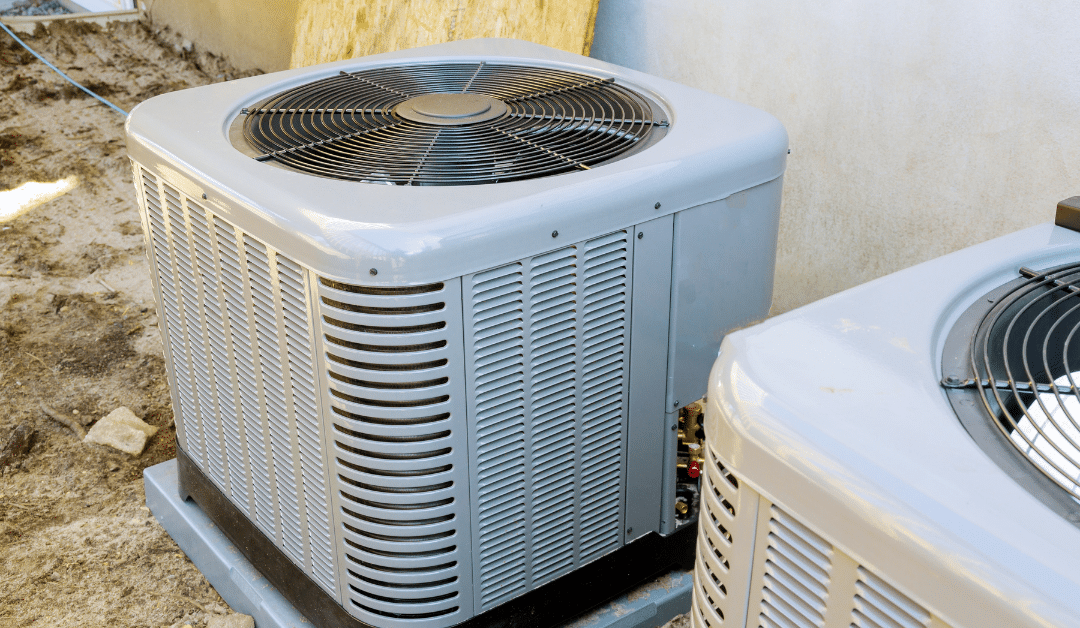
Heating and cooling account for a significant portion of the energy used in many homes. When an HVAC system becomes older, inefficient, or no longer suited to the needs of the property, maintaining a comfortable indoor temperature can require more energy than necessary. Homeowners may notice longer operating cycles, increasing utility bills, uneven temperatures, or a system that seems to work constantly during periods of extreme weather. In these situations, HVAC unit installation may provide an opportunity to improve both home comfort and overall energy efficiency.
Modern heating and cooling systems offer technology designed to provide dependable comfort while making better use of energy. However, simply purchasing newer equipment does not guarantee maximum efficiency. Proper system sizing, professional installation, ductwork condition, thermostat controls, maintenance, and the characteristics of the home all influence actual performance.
Understanding how these factors work together can help homeowners make informed decisions when it is time to replace an aging HVAC system.
Why HVAC Efficiency Matters
An efficient HVAC system provides more than potential savings on monthly energy bills. It can also help maintain consistent temperatures, reduce unnecessary equipment wear, and improve the overall comfort of a home.
Older systems may gradually lose performance because of normal wear, outdated technology, or recurring mechanical problems. Even when an aging unit continues to heat and cool, it may operate for longer periods to achieve the same results that newer equipment can provide more efficiently.
A professional HVAC unit installation gives homeowners the opportunity to replace outdated equipment with a system selected specifically for their home's current heating and cooling requirements.
Newer HVAC Technology Can Use Energy More Effectively
HVAC technology has changed significantly over the years. Modern equipment may include variable-speed motors, multi-stage operation, improved compressors, and advanced controls that allow systems to respond more precisely to changing indoor conditions.
Traditional systems often operate at full capacity whenever they turn on. Depending on the equipment selected, newer systems may be able to adjust output based on how much heating or cooling the home actually needs.
During mild weather, the equipment may operate at a lower level rather than using maximum capacity. When outdoor temperatures become more extreme, the system can increase its output to maintain comfort.
This ability to adjust operation can reduce unnecessary energy consumption while helping maintain steadier indoor temperatures.
Proper System Sizing Is Essential
One of the most important factors affecting HVAC efficiency is equipment sizing. A larger system is not automatically a better system.
If an HVAC unit is oversized for the home, it may reach the thermostat setting too quickly and shut down before completing an efficient cycle. This frequent starting and stopping is known as short cycling. Over time, short cycling can increase energy consumption and place unnecessary wear on equipment.
An undersized system creates a different problem. It may run almost continuously because it cannot comfortably meet the heating or cooling demands of the property.
Professional HVAC unit installation should include careful consideration of the home's size, layout, insulation, windows, orientation, and other characteristics that influence heating and cooling needs. Selecting appropriately sized equipment allows the system to operate more efficiently while providing reliable comfort.
Higher Efficiency Ratings Can Make a Difference
When comparing new HVAC equipment, homeowners will encounter several efficiency ratings depending on the type of system being considered. These ratings help indicate how effectively equipment uses energy to provide heating or cooling.
For air conditioning systems, efficiency ratings can help homeowners compare how much cooling different units provide relative to the energy they consume. Heating equipment has its own measurements depending on whether the system uses electricity, natural gas, or another energy source.
Choosing higher-efficiency equipment during HVAC unit installation can potentially reduce energy consumption compared with an older, less efficient system.
However, efficiency ratings should not be considered in isolation. The most efficient equipment available may not necessarily be the best choice for every home. System design, household needs, climate, budget, and installation quality should all be considered when selecting new equipment.
Professional Installation Supports Equipment Performance
Even high-efficiency HVAC equipment can struggle if it is not installed correctly. Installation quality directly affects airflow, refrigerant performance, electrical operation, thermostat communication, and many other aspects of the system.
Professional technicians follow manufacturer requirements and industry practices when connecting and testing new equipment. They also verify that the system is operating correctly before the installation is considered complete.
A professional HVAC unit installation helps ensure homeowners receive the performance and efficiency their new equipment was designed to provide.
Poor installation, on the other hand, can lead to reduced efficiency, uncomfortable temperatures, excessive cycling, and premature component wear.
Ductwork Plays an Important Role
Your HVAC equipment may produce conditioned air efficiently, but that air still needs to travel through the duct system before reaching the rooms throughout your home.
Damaged, leaking, poorly designed, or inadequately insulated ductwork can allow conditioned air to escape before it reaches the living space. The HVAC system may then operate longer to compensate for the lost heating or cooling.
Before or during a new system installation, evaluating the condition of existing ductwork can help identify problems that could limit the performance of new equipment.
Addressing significant leaks or airflow restrictions helps ensure more of the conditioned air reaches its intended destination, improving comfort while reducing wasted energy.
Better Airflow Can Improve Efficiency
Proper airflow is essential for efficient HVAC operation. Restricted airflow forces equipment to work harder and may interfere with normal heating or cooling cycles.
Several factors can affect airflow, including dirty filters, blocked vents, undersized ductwork, dirty coils, and improperly selected equipment.
During HVAC unit installation, technicians can evaluate important airflow considerations and ensure the new equipment is properly integrated with the home's existing system.
Homeowners can help preserve that performance afterward by replacing filters regularly, keeping vents unobstructed, and scheduling routine HVAC maintenance.
Modern Thermostats Provide Greater Control
Replacing HVAC equipment can also be a good time to evaluate the home's thermostat. Programmable and smart thermostats provide homeowners with more control over when heating and cooling equipment operates.
Instead of maintaining the same temperature throughout the entire day, homeowners can create schedules based on their routines. The temperature can be adjusted when the house is empty and returned to a comfortable setting before occupants arrive home.
Some thermostats can also provide energy-use information or automatically make adjustments based on household patterns.
When compatible with the equipment, modern thermostat controls can complement HVAC unit installation and help homeowners use their new system more efficiently.
Improved Comfort Can Reduce Unnecessary Adjustments
Energy efficiency and indoor comfort often go hand in hand. When an HVAC system struggles to maintain consistent temperatures, homeowners may repeatedly adjust the thermostat in an attempt to compensate.
For example, if bedrooms remain warm during summer while other areas of the house feel comfortable, lowering the thermostat may cause the entire system to operate longer. This consumes additional energy without necessarily solving the underlying airflow problem.
Properly selected and installed equipment can provide more consistent performance throughout the home. Depending on the cause of existing comfort problems, a new system may help reduce temperature fluctuations and the need for constant thermostat adjustments.
Replacing an Aging System Can Reduce Energy Waste
HVAC equipment does not maintain identical performance forever. Components wear, technology becomes outdated, and recurring repairs can gradually make an older system more expensive to operate.
Aging systems may run longer, cycle more frequently, or struggle during extreme temperatures. Homeowners may also notice utility bills increasing even though their heating and cooling habits have remained relatively consistent.
At some point, continuing to repair inefficient equipment may provide less value than replacing it.
HVAC unit installation can give homeowners a fresh start with equipment designed to meet current efficiency standards and the specific comfort requirements of the property.
Your Home Also Affects HVAC Efficiency
Installing new equipment is an important step, but the HVAC system cannot overcome every source of energy loss within a home.
Poor insulation, drafty windows, gaps around doors, attic air leaks, and other building envelope issues allow conditioned air to escape. When this happens, even efficient HVAC equipment must operate more frequently to maintain the thermostat setting.
Homeowners looking to maximize the benefits of new equipment should consider the overall energy performance of the property.
Improving insulation and addressing significant air leaks can reduce heating and cooling demand, allowing the HVAC system to maintain comfort more efficiently.
Routine Maintenance Protects Your Investment
New equipment still requires regular maintenance. Preventive service helps maintain efficiency while giving technicians an opportunity to identify developing problems before they become larger repairs.
Maintenance may include inspecting electrical components, cleaning equipment, checking system operation, evaluating airflow, examining drain lines, and confirming that controls are functioning properly.
Filters should also be inspected regularly and replaced when necessary. A clogged filter restricts airflow and can make even a new HVAC system work harder than intended.
Protecting a new HVAC unit installation with routine maintenance helps preserve performance, efficiency, and equipment reliability over time.
When Should You Consider Replacing Your HVAC Unit?
Not every heating or cooling problem means you need a new system. Many concerns can be resolved through maintenance or targeted repairs.
However, replacement may be worth considering when an older system requires increasingly frequent repairs, has difficulty maintaining comfortable temperatures, operates for unusually long periods, or contributes to rising energy expenses.
Other warning signs can include unusual noises, inconsistent airflow, frequent cycling, and major component failures.
Rather than relying on age alone, homeowners should consider the overall condition, efficiency, repair history, and performance of their equipment. An experienced HVAC professional can evaluate these factors and help determine whether repair or replacement provides the better long-term option.
Consider Long-Term Value, Not Just Initial Cost
The upfront cost of replacing HVAC equipment is understandably an important consideration. However, homeowners should also think about what the system may cost to operate over the years.
An inexpensive system that consumes significantly more energy may ultimately cost more to own. On the other hand, choosing the most expensive equipment available does not automatically guarantee the best return.
The goal is to find equipment that provides the appropriate balance of efficiency, comfort, reliability, and cost for the individual home.
When evaluating HVAC unit installation, homeowners can consider energy efficiency ratings, expected equipment lifespan, warranty coverage, maintenance needs, available features, and anticipated operating costs.
Small Habits Can Support Your New System
After installing new HVAC equipment, everyday household habits can influence how efficiently it operates.
Homeowners can support system performance by keeping supply and return vents clear, replacing air filters as recommended, using reasonable thermostat settings, closing windows while the system is operating, and scheduling preventive maintenance.
Ceiling fans can also help circulate conditioned air, allowing occupants to feel more comfortable without constantly changing thermostat settings.
These simple habits cost little or nothing but can help homeowners receive greater value from efficient HVAC equipment.
Why Professional Guidance Matters
Every home has different heating and cooling requirements. Equipment that works well in one property may not be appropriate for another, even if the homes appear similar in size.
Professional technicians can evaluate the existing system, discuss comfort concerns, assess efficiency goals, and recommend equipment that matches the home's needs.
Comforting Solutions helps homeowners understand their options without treating replacement as a one-size-fits-all decision. When HVAC unit installation is the appropriate solution, careful equipment selection and professional workmanship help create a strong foundation for long-term efficiency and comfort.
Improve Comfort While Using Energy More Wisely
Replacing aging heating and cooling equipment can be an important opportunity to improve home energy efficiency. Newer technology, proper system sizing, better controls, reliable airflow, and professional installation can all contribute to a system that uses energy more effectively.
The greatest benefits come from viewing the HVAC system as part of the entire home. Efficient equipment performs best when paired with properly maintained ductwork, adequate insulation, responsible thermostat settings, clean filters, and regular professional maintenance.
If your current system is becoming less reliable or your heating and cooling costs continue to rise, having the equipment professionally evaluated can help you understand your options. Comforting Solutions can determine whether maintenance, repair, or replacement makes the most sense for your home and comfort goals.
If you need HVAC unit installation assistance, contact us at Comforting Solutions. Stay up to date with the latest at Comforting Solutions by liking us on Facebook.