
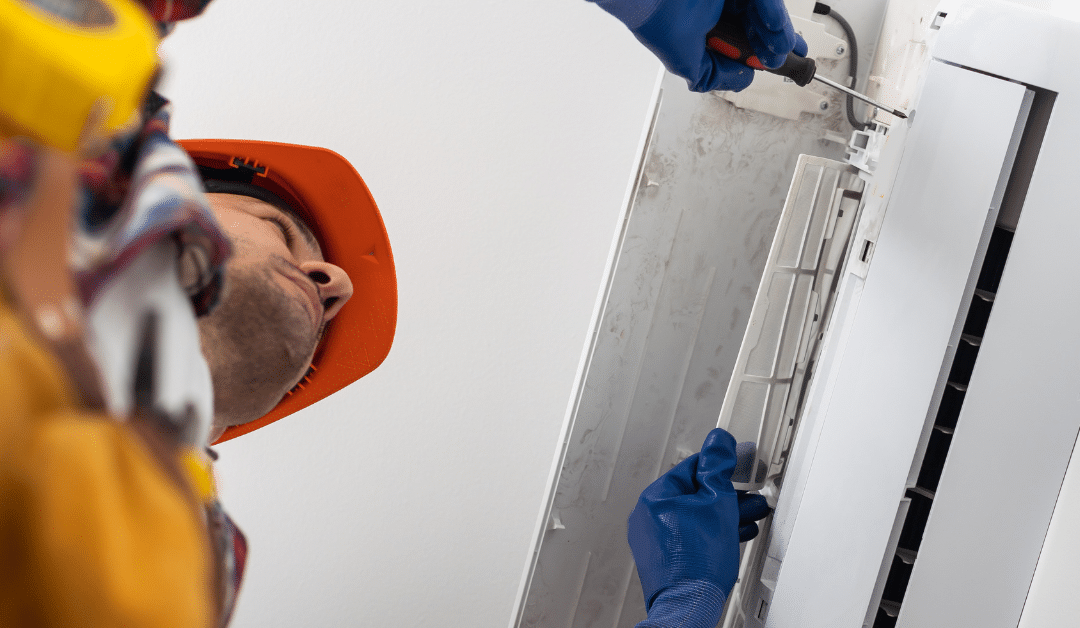
When a heating or cooling system stops working properly, homeowners often know something is wrong but may not understand what happens once a professional arrives. A home service visit involves far more than a quick inspection or a simple fix. The process is detailed, methodical, and designed to protect comfort, efficiency, and system longevity. Understanding what an HVAC residential service technician does during a home service call helps homeowners feel confident, informed, and prepared when service is needed.
Preparing Before the Technician Arrives
Before stepping through the front door, an HVAC residential service technician begins working behind the scenes. Dispatch notes, service history, and any information shared during scheduling help guide the visit. Knowing the age of the system, recent repairs, or recurring concerns allows the technician to arrive with the right tools and parts.
This preparation reduces guesswork and allows the service call to begin efficiently. It also helps ensure that the technician focuses on the homeowner’s specific concerns rather than performing unnecessary inspections.
Arrival and Initial Walkthrough
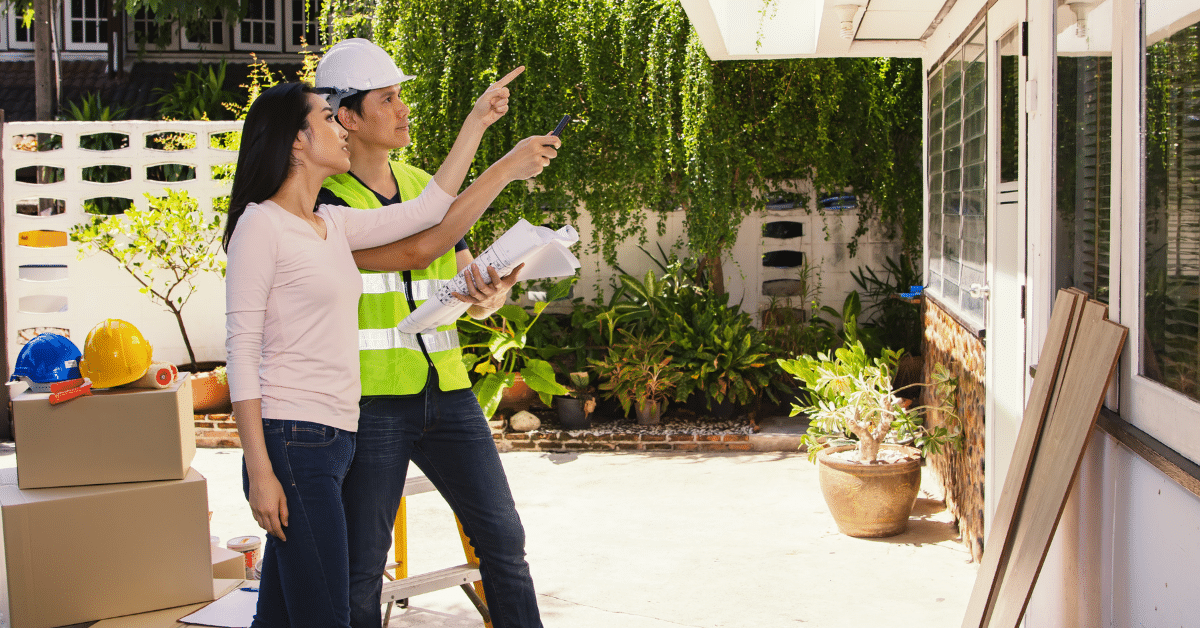
Once on site, an HVAC residential service technician typically starts by speaking directly with the homeowner. This conversation is one of the most important parts of the service call. Homeowners are encouraged to describe what they have noticed, including unusual noises, temperature inconsistencies, rising energy bills, or intermittent system operation.
After discussing the issue, the technician performs a walkthrough of the home. This includes identifying thermostat locations, checking airflow at vents, and understanding how the system is being used daily. These observations help form a clear picture of how the system is performing in real-world conditions.
System Safety Checks
Safety is always a top priority during a residential service call. An HVAC residential service technician begins hands-on work by checking for conditions that could pose a risk to the home or occupants. This includes inspecting electrical connections, checking for gas leaks when applicable, and confirming that safety switches and shutoff mechanisms are functioning properly.
For heating systems, combustion safety is carefully evaluated. Venting, airflow, and exhaust components are inspected to ensure proper operation. These steps help prevent issues that could affect indoor air quality or create unsafe conditions inside the home.

Diagnosing the Problem
Accurate diagnosis is the foundation of effective repair. An HVAC residential service technician uses specialized tools and training to pinpoint the root cause of system issues. This process often involves electrical testing, pressure measurements, temperature readings, and visual inspections of key components.
Rather than focusing on symptoms alone, the technician looks for underlying causes. A system that struggles to cool, for example, may be affected by airflow restrictions, refrigerant issues, or electrical faults. Identifying the true source of the problem helps ensure that repairs are effective and long lasting.
Inspecting Major System Components
During a home service call, an HVAC residential service technician carefully evaluates the main components of the heating and cooling system. For air conditioning systems, this includes the condenser, evaporator coil, refrigerant lines, and fan motors. For heating systems, burners, heat exchangers, and ignition components are examined.
The technician checks for wear, corrosion, loose connections, and signs of stress. Even components that are still functioning may show early signs of failure. Identifying these issues early helps homeowners plan ahead and avoid unexpected breakdowns.
Airflow and Ductwork Evaluation
Proper airflow is essential for system efficiency and comfort. An HVAC residential service technician assesses airflow throughout the home by checking filters, supply vents, and return pathways. Restricted airflow can cause uneven temperatures, reduced efficiency, and increased strain on the system.
While ductwork may not always require service during a call, visible issues such as loose connections or damaged sections are noted. Addressing airflow concerns helps ensure that conditioned air reaches every part of the home effectively.
Explaining Findings to the Homeowner
Clear communication is a critical part of every service visit. After completing inspections and diagnostics, an HVAC residential service technician explains their findings in plain language. Homeowners are informed about what is working properly, what needs attention, and what options are available.
This discussion allows homeowners to make informed decisions without pressure. Technicians may explain the urgency of certain repairs, discuss potential long-term concerns, and answer questions about system performance. Transparency helps build trust and ensures that homeowners feel confident moving forward.
Performing Repairs or Adjustments
When repairs are approved, the HVAC residential service technician completes the necessary work using manufacturer-recommended methods. Repairs may include replacing worn components, tightening electrical connections, adjusting airflow, or restoring proper refrigerant levels.
Attention to detail during this phase is essential. Proper installation and calibration help ensure that the system operates efficiently and reliably after service. Technicians also follow safety standards throughout the repair process to protect both the home and the equipment.
System Testing After Service
After repairs or adjustments are complete, the HVAC residential service technician tests the system to confirm proper operation. This includes running the system through full cycles, checking temperatures, monitoring pressures, and verifying thermostat response.
Testing ensures that the original concern has been resolved and that no new issues have been introduced. It also allows the technician to confirm that efficiency and performance meet expected standards.
Maintenance Recommendations and Education
Many service calls provide an opportunity for preventive guidance. An HVAC residential service technician may recommend routine maintenance steps that help extend system life and improve performance. This can include filter replacement schedules, thermostat usage tips, or seasonal maintenance planning.
These recommendations are tailored to the specific system and home. Preventive care helps homeowners avoid future issues and maintain consistent comfort throughout the year.
Documentation and Service Records
Before leaving, the HVAC residential service technician documents the work performed. Service records may include diagnostic findings, completed repairs, and recommended follow-up actions. These records help maintain a clear history of the system and support future service visits.
Accurate documentation also helps homeowners track maintenance and plan for future upgrades or replacements when needed.
Why Professional Service Matters
A home service visit involves far more than turning a system on and off. The expertise of an HVAC residential service technician ensures that each step is handled with care, precision, and professionalism. Proper diagnosis, safe repairs, and clear communication all contribute to a positive service experience.
Comfort Solutions focuses on providing homeowners with dependable service that supports long-term comfort and system reliability. Understanding what happens during a service call helps homeowners appreciate the value of professional care and proactive maintenance.
Scheduling Your Next Service Visit
When heating or cooling issues arise, prompt professional service helps protect comfort and prevent further damage. Working with a trained technician ensures that problems are addressed correctly the first time.
To schedule a residential service visit or learn more about home comfort solutions, contact us at Comforting Solutions.
Stay up to date with the latest at Comforting Solutions by liking us on Facebook.