
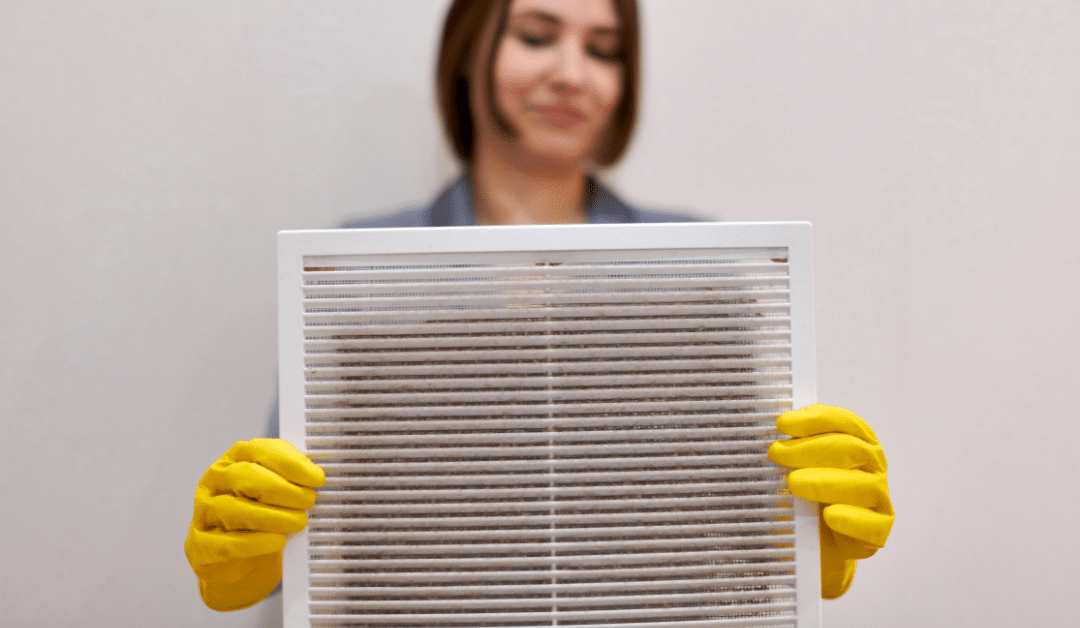
Indoor air quality plays a major role in everyday comfort. While homeowners often focus on temperature control, the air circulating through a home affects breathing comfort, cleanliness, and overall living conditions. One of the most effective ways to support cleaner indoor air is through consistent home HVAC maintenance.
At Comforting Solutions, residential service is designed to help homeowners maintain efficient systems that not only regulate temperature but also support healthier indoor air. Understanding how home HVAC maintenance improves indoor air quality makes it easier to see why routine service is such an important investment.
The Connection Between HVAC Systems and Indoor Air
Your heating and cooling system does more than warm or cool your home. It continuously circulates air through ductwork, filters, coils, and vents. Every time the system runs, airborne particles such as dust, pollen, and other contaminants move through the equipment.
Without proper care, buildup inside the system can affect the air distributed throughout your living spaces. Routine home HVAC maintenance helps keep these components clean and operating as intended, reducing the spread of airborne debris.
Air Filter Inspection and Replacement
One of the most direct ways home HVAC maintenance improves indoor air quality is through regular air filter checks. Filters are designed to capture airborne particles before they circulate back into the home.
Over time, filters become clogged with dust and debris. When this happens, airflow can become restricted, and the filter may lose its ability to trap additional particles effectively. During scheduled service visits, technicians inspect and replace filters as needed, helping maintain proper airflow and cleaner air distribution.
Maintaining clean filters supports consistent circulation and helps limit the amount of dust re-entering your living spaces.
Cleaning Coils and Internal Components
Evaporator coils and other internal components can collect dirt and moisture over time. If left unaddressed, this buildup can impact system efficiency and contribute to reduced air quality. As part of routine home HVAC maintenance, technicians carefully inspect and clean accessible components.
Removing debris from coils allows air to move freely and supports better heat exchange. Cleaner internal components reduce the likelihood of contaminants being distributed through the duct system.
Improving Airflow Throughout the Home
Balanced airflow plays a key role in maintaining consistent indoor air quality. Restricted airflow can cause uneven circulation, leaving certain areas stagnant while others receive more airflow than necessary.
During home HVAC maintenance, technicians evaluate airflow performance by checking vents, returns, and blower components. Identifying and correcting airflow restrictions helps ensure that conditioned air moves evenly throughout the home, supporting better overall air circulation.
Proper airflow also prevents excess strain on the system, helping it operate more smoothly and efficiently.
Addressing Moisture and Humidity Control
Humidity levels significantly influence indoor air quality. Excess moisture can create conditions where mold or mildew may develop, while extremely dry air can cause discomfort.
Routine home HVAC maintenance includes inspecting condensate drain lines and moisture removal components in cooling systems. Ensuring proper drainage prevents water buildup and supports effective humidity control.
Balanced humidity contributes to a more comfortable indoor environment and supports cleaner air circulation.
Ductwork Evaluation
Ductwork acts as the pathway for conditioned air throughout the home. Over time, loose connections or minor gaps may allow dust or debris to enter the system. As part of home HVAC maintenance, technicians visually inspect accessible duct connections and check for airflow concerns.
While major duct cleaning may not be necessary at every visit, identifying visible issues early helps prevent contaminants from entering the air supply. Secure duct connections promote consistent airflow and improved indoor air distribution.
Blower and Motor Inspection
The blower motor is responsible for moving air through your HVAC system. If the blower accumulates dirt or operates inefficiently, it can impact airflow and air circulation.
Technicians performing home HVAC maintenance inspect blower components to ensure they are clean and functioning properly. Clean, well-maintained blower systems help circulate air more effectively, reducing the likelihood of uneven air distribution or lingering particles.
Thermostat Performance and System Cycling
Frequent or improper cycling can affect how air moves through the home. During home HVAC maintenance, technicians test thermostat calibration and system response to ensure accurate operation.
Proper cycling supports steady airflow and consistent temperature regulation. When the system runs efficiently and predictably, it maintains balanced air movement that contributes to improved indoor conditions.
Reducing Dust Accumulation
Many homeowners notice reduced dust buildup in their homes after consistent service visits. Regular home HVAC maintenance helps minimize the circulation of dust by ensuring filters, coils, and internal components remain clean.
While some dust is unavoidable in any living space, reducing excess accumulation inside the system limits how much re-enters the home through vents.
Supporting Healthier Living Spaces
Clean air circulation supports overall comfort in residential environments. Routine home HVAC maintenance plays an important role in maintaining proper airflow, filtration, and humidity balance.
When systems operate efficiently and internal components are kept clean, the air moving through your home remains fresher and more consistent. This contributes to a more comfortable indoor atmosphere throughout the year.
Preventing Long-Term Air Quality Issues
Small maintenance tasks performed regularly can prevent larger air quality concerns over time. By scheduling consistent home HVAC maintenance, homeowners reduce the likelihood of buildup inside the system that could eventually impact airflow or cleanliness.
Preventive service is often simpler and more cost-effective than addressing problems after performance declines.
Seasonal Preparation and Air Quality
Each season brings unique challenges for indoor air. Spring may introduce pollen, while colder months often mean windows stay closed for extended periods. Routine home HVAC maintenance helps prepare systems for seasonal demands.
By inspecting components before peak heating or cooling months, technicians ensure the system is ready to maintain steady airflow and effective filtration during periods of heavier use.
Long-Term Benefits of Consistent Maintenance
Beyond immediate air quality improvements, home HVAC maintenance supports long-term system reliability. Cleaner components and balanced airflow reduce strain on the equipment, helping extend its operational life.
Over time, this consistency supports stable performance and dependable indoor air circulation. Homeowners benefit from both improved comfort and greater confidence in their system’s operation.
Why Homeowners Choose Comforting Solutions
Comforting Solutions provides detailed, residential-focused service designed to support both comfort and indoor air quality. Each maintenance visit is tailored to the home’s system and specific needs.
By prioritizing thorough inspections and careful adjustments, the team helps homeowners maintain cleaner, more efficient HVAC systems year-round.
Schedule Your Maintenance Visit
Understanding how home HVAC maintenance improves indoor air quality highlights the value of consistent professional service. From filter inspections to airflow checks and component cleaning, each step contributes to healthier indoor circulation.
To schedule a residential service visit or learn more about home comfort solutions, contact us at Comforting Solutions.
Stay up to date with the latest at Comforting Solutions by liking us on Facebook.