
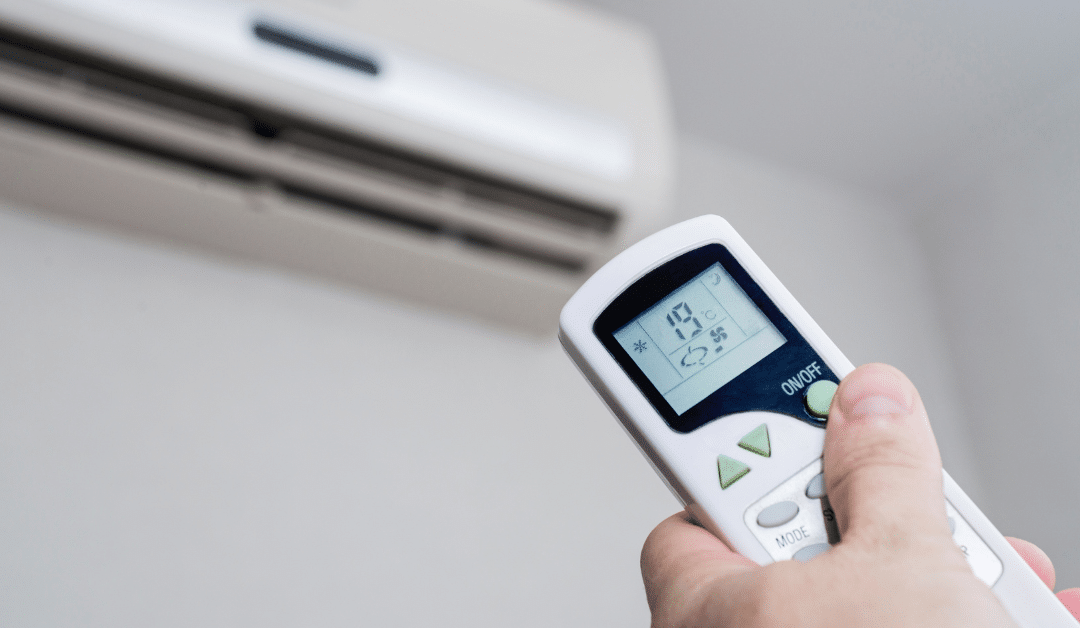
As temperatures begin to rise and winter fades away, your HVAC system transitions from heating to cooling. Spring is the ideal time to prepare your system for the demands of warmer weather. By focusing on seasonal HVAC maintenance, homeowners can help ensure their system runs efficiently, maintains consistent comfort, and avoids unnecessary strain during peak usage.
At Comforting Solutions, residential service is centered around helping homeowners stay ahead of seasonal changes with proactive care. Understanding what to include in a spring seasonal HVAC maintenance checklist allows you to protect both comfort and system performance before summer arrives.
Why Spring Is the Right Time for Maintenance
Spring offers a natural transition period between heating and cooling seasons. During this time, your system is typically used less frequently, making it easier to perform inspections and adjustments. Scheduling seasonal HVAC maintenance in the spring helps identify any issues that may have developed during winter operation.
Addressing concerns early ensures your system is ready to handle rising temperatures without unexpected interruptions. It also helps maintain efficiency as cooling demands increase.
SPRING SEASONAL HVAC MAINTENANCE CHECKLIST:
Replace or Inspect Air Filters
Air filters play a major role in airflow and indoor air quality. One of the first steps in seasonal HVAC maintenance is checking the condition of your filter. After months of winter use, filters may be clogged with dust and debris.
Replacing or cleaning filters allows air to move more freely through the system. This supports better airflow, reduces strain on components, and helps maintain cleaner indoor air throughout your home.
Inspect the Thermostat Settings
As you transition from heating to cooling, it’s important to update thermostat settings. During seasonal HVAC maintenance, homeowners should verify that the thermostat is set correctly and functioning as expected.
Testing the thermostat ensures that it communicates properly with the system and maintains accurate temperature control. If needed, recalibration or upgrades can improve efficiency and comfort.
Clean Around the Outdoor Unit
Your outdoor condenser unit may have accumulated leaves, dirt, and debris during the winter months. Clearing this area is an essential part of seasonal HVAC maintenance.
Ensure there is adequate space around the unit for proper airflow. Removing debris helps prevent airflow restrictions and allows the system to operate more efficiently when the cooling season begins.
Check Air Vents and Registers
Air vents and registers should be inspected to ensure they are not blocked by furniture, rugs, or dust buildup. During seasonal HVAC maintenance, homeowners can walk through each room to confirm that vents are open and unobstructed.
Proper airflow throughout the home supports even cooling and prevents the system from working harder than necessary.
Inspect Ductwork for Visible Issues
While ductwork is often out of sight, visible sections can still be checked during seasonal HVAC maintenance. Look for loose connections, gaps, or signs of wear that could affect airflow.
Addressing small duct concerns early helps maintain consistent air distribution and supports overall system efficiency.
Schedule Professional System Inspection
One of the most important steps in seasonal HVAC maintenance is scheduling a professional inspection. A trained technician can evaluate components that are not easily accessible and identify potential issues before they impact performance.
Professional inspections typically include system testing, electrical checks, and performance evaluations. This ensures your HVAC system is ready for consistent use during warmer months.
Clean Coils and Internal Components
Dust and debris can collect on system components over time. As part of seasonal HVAC maintenance, technicians may clean coils and other internal parts to support proper operation.
Clean components allow for better heat transfer and improved efficiency. This helps the system cool your home more effectively while reducing unnecessary strain.
Check Refrigerant Levels
Cooling systems rely on proper refrigerant levels to function efficiently. During seasonal HVAC maintenance, technicians measure refrigerant levels and ensure they meet manufacturer specifications.
If levels are low, it may indicate a leak or other issue that needs attention. Addressing refrigerant concerns early helps maintain consistent cooling performance.
Inspect Electrical Components
Electrical connections and components are essential to system operation. During seasonal HVAC maintenance, technicians inspect wiring, capacitors, and connections to ensure everything is functioning properly.
Tightening connections and identifying worn components helps prevent unexpected breakdowns and supports safe operation.
Test System Performance
After completing inspections and adjustments, seasonal HVAC maintenance includes running the system to verify proper operation. This testing ensures the system starts, runs, and shuts down as expected.
Performance testing helps confirm that your HVAC system is ready to handle the demands of the cooling season without issues.
Evaluate Drainage and Moisture Control
Cooling systems remove moisture from indoor air. During seasonal HVAC maintenance, technicians inspect condensate drain lines to ensure proper drainage.
Blocked lines can lead to water buildup and affect system performance. Keeping drainage systems clear supports both efficiency and indoor comfort.
Improve Energy Efficiency Before Summer
Preparing your system in the spring can have a direct impact on energy usage during the summer. Consistent seasonal HVAC maintenance helps ensure your system operates efficiently when temperatures rise.
Small adjustments made during maintenance can improve performance and reduce unnecessary energy consumption, supporting both comfort and cost control.
Extend the Life of Your HVAC System
Routine care plays a significant role in system longevity. By scheduling seasonal HVAC maintenance, homeowners help reduce wear and keep components functioning properly.
A well-maintained system is more likely to provide reliable performance over time, reducing the likelihood of major repairs or early replacement.
Maintain Consistent Indoor Comfort
Spring preparation helps set the foundation for consistent comfort throughout the cooling season. Seasonal HVAC maintenance ensures that airflow, temperature control, and system performance remain stable as outdoor temperatures increase.
With proper care, your HVAC system can maintain a comfortable indoor environment without sudden changes or interruptions.
Why Homeowners Choose Comforting Solutions
Comforting Solutions provides residential HVAC services designed to support seasonal transitions and long-term system performance. Each service visit focuses on detailed inspections, clear communication, and reliable results.
By working closely with homeowners, the team ensures that every system is prepared for the demands of the upcoming season.
Schedule Your Spring Maintenance
Preparing your system with a spring seasonal HVAC maintenance checklist helps ensure your home stays comfortable as temperatures rise. From filter changes to professional inspections, each step supports efficient and reliable performance.
To schedule your spring HVAC service, contact us at Comforting Solutions.
Stay up to date with the latest at Comforting Solutions by liking us on Facebook.